
UK property 2026 – Is the GBP/HKD exchange rate or interest rates more important for HK buyers
If you’re living in Hong Kong seeking to buy a home or investment property in the UK, you’ve probably always kept one eye on the UK interest rates and the other on the currency exchange booth.
But as we move forward in 2026, the game has shifted a bit, leaving HK buyers facing a massive dilemma. With everything going on in the global economy, what should you actually be worried about? Is it the cost of borrowing money (UK mortgage rates 2026), or is it the strength of your cash (the GBP/HKD exchange rate)?
Trying to balance a changing exchange rate against sticky interest rates can feel like a hustle. So, let’s break down where your actual buying power lies so you can make the wisest choice.
The macroeconomic landscape for UK property in 2026
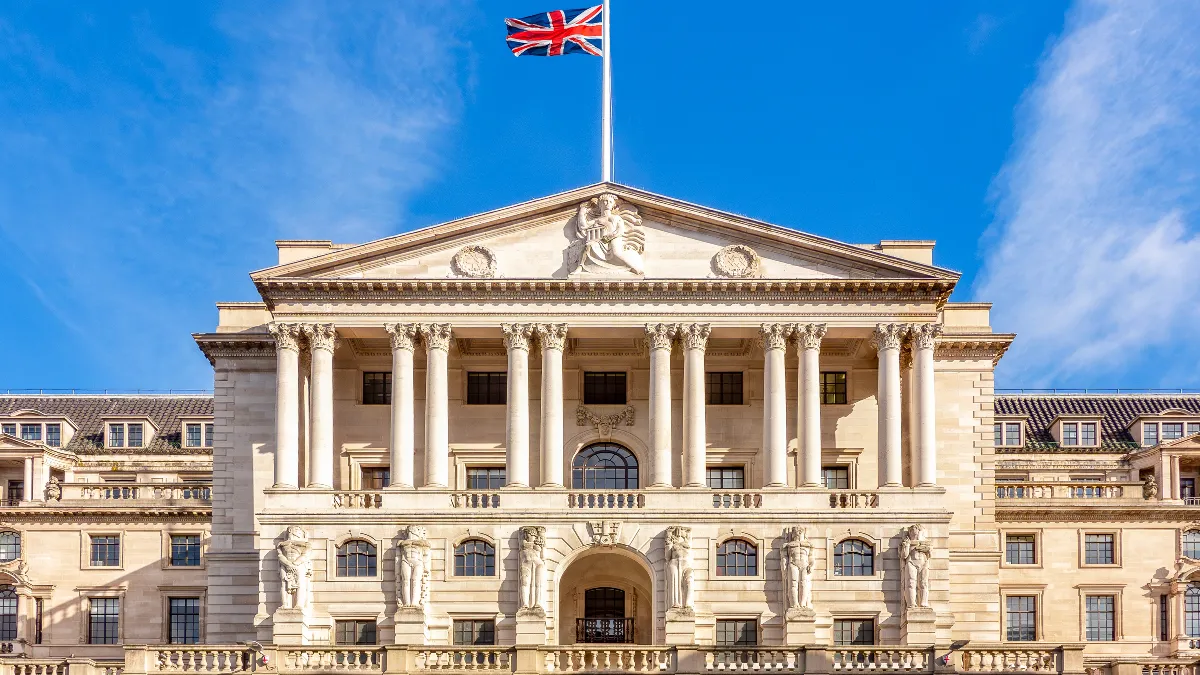
Remember earlier when everyone thought the Bank of England would slash interest rates rapidly? Well, that actually didn’t happen! With global tensions and wild energy prices, inflation is unpredictable. The bank is playing it safe, keeping the base rate stuck at 3.75%. Meanwhile, the pound has been a bit of a rollercoaster, sitting between 10.45 and 10.65 HKD.
Since your Hong Kong dollar is tied to a strong US dollar, you have a massive advantage right now, but it won’t continue forever.
Analysing the impact of UK interest rates

If you need a UK mortgage, the current interest rates are probably the first thing keeping you awake! Right now, standard two-year and five-year fixed rates range between 4.4% and 5.8%
And yes these numbers squeeze your monthly rental profits today, but it is easy to overreact. Higher rates feel stressful right now, but they don’t actually ruin your long-term investment for two major reasons;
The tax cushion: If you buy your rental property through a UK limited company, you can offset your mortgage interest against your rental income. This reduces your tax bill and softens the blow of those higher rates.
Flexibility of rates: Opting for a short two-year fixed or a tracker mortgage lets you ride out the current wave. When UK rates drop toward the predicted 3.00% target in a couple of years, you can simply switch to a cheaper deal.
The GBP/HKD exchange rate: The hidden cost of waiting

While you can always negotiate a mortgage later, the exchange rate you buy at is locked in forever. That is why the GBP/HKD rate is the real driver of your investment.
For instance, If you buy a property worth £300,000 when the rate is 10.45, it costs you HKD$3,135,000. If you wait and the Pound strengthens to 11.50, that exact same property will now cost HKD$3,450,000.
And that is an extra HKD$315,000 cost you pay out of your pocket just for waiting. A tiny 0.5% drop in mortgage rates won’t save you anywhere near that kind of money. Sitting on the sidelines, hoping for low-rate loans while the Pound climbs, will completely destroy your buying power.
When weighing mortgage rates against currency, the exchange rate matters most to Hong Kong buyers. You can refinance a loan, but you can’t change your buying price.
The smartest move is using the strong HKD to secure UK assets now with short-term financing, then refinancing as rates drop. With our office in Hong Kong too, Benham & Reeves helps you find prime properties, secure overseas financing and manage your investment seamlessly.
FAQs
Will the GBP/HKD improve for buyers this year?
Probably not by much margin! While bad economic news might cause brief dips, the UK economy is holding up well. Waiting around for the pound to crash back to historic lows, signifying you risk getting priced out entirely
Are UK mortgage rates going to drop further?
You should not expect a massive plunge! Experts think the Bank of England might cut its base rate to about 3.25% by the end of the year, meaning fixed-rate mortgages will likely level off in the mid-4% range.
What is a good rental yield in the UK right now?
Aiming for a steady gross yield of around 4.5% is a realistic benchmark for premium London new builds. While regional hotspots offer higher percentages, London compensates with unmatched capital growth, resilient tenant demand, and long-term investment stability.
Should I wait for interest rates to drop before buying?
Waiting for 3.00% rates triggers surging demand, spiking property prices and erasing your currency advantage. Buying now secures a lower price and stronger capital appreciation; you can always refinance later.

About the Author
With over 60 years of experience in London market, Benham and Reeves offers a comprehensive one-stop service which includes London property sales (purchase and selling) and full letting and management services to investors. Benham and Reeves Hong Kong SAR office was established in 1995 to provide real estate agency services to Hong Kong buyers, sellers and landlords in regards to all their London property needs.Latest news

Do Non-Resident landlords need to file a UK tax return?
If you’re one of the UK property owners living in Hong Kong and rent out a property back...

Managing UK property from HK – The 2026 remote landlord checklist
For Hong Kong investors, owning a piece of London residential property has been a go-to move for protecting...
Home Searches Hit a Yearly High as UK Price Growth Cools
For Hong Kong buyers and investors considering London property, the latest UK market figures point to an interesting...

London property investment guide
Download our free guide to real estate investment in London. A comprehensive guide designed to facilitate your real estate purchase and get the best return on investment.